You've just gotten the phone call you've been waiting for: your offer was accepted. The home in Medina County that you've been dreaming about is officially under contract. You can practically taste the excitement of moving day. But here's the reality that most buyers don't fully appreciate until they're living it: getting under contract and actually closing on the home are two very different things.
Between the signed contract and closing day, there's a gauntlet of inspections, appraisals, financing verifications, and contingency requirements that can absolutely derail a deal. I've walked hundreds of buyers and sellers through this phase, and the ones who succeed are the ones who understand what can go wrong and how to fix it before it blows up.
Let me walk you through the biggest deal killers that emerge after the contract is signed, and more importantly, how to navigate them.
The Roof: The Single Most Common Deal Staller
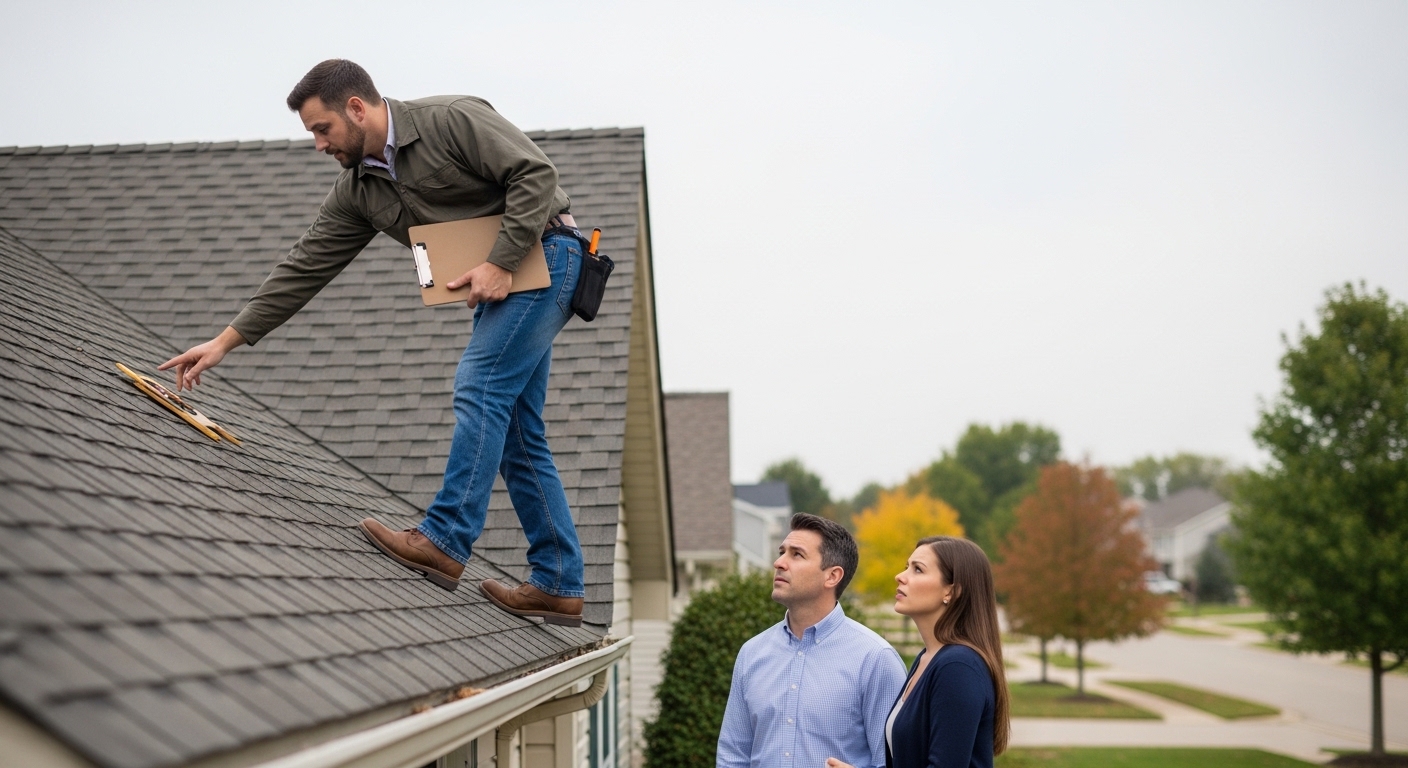
The single most common deal-staller in 2026 is the roof. Inspectors flag roofs for missing flashing, exposed nail heads, granular loss, soft decking, ice-dam damage, and remaining useful life under five years. I see this play out in Medina County homes constantly, especially in older properties where the roof is nearing the end of its serviceable life.
Here's what happens: the inspector's report comes back noting that the roof has two to four years of life left. The buyer sees this and immediately thinks "I need a new roof in a couple of years, not today." A full tear-off in southeastern Pennsylvania now runs roughly 9,000 to 18,000 dollars for a typical detached home and significantly higher for slate, cedar shake, or steep complex rooflines. That five-figure number becomes the negotiating battleground.
How to fix it: Get a professional roof inspection before listing your home. If repairs are needed, either fix them before showing or offer a repair credit at closing. Understand that buyers are no longer willing to overlook roof age just to stay in contract. Negotiations often get tricky with big-ticket items that are old or outdated but still technically working, like a 20-year-old roof, where buyers see these as near-term expenses, but sellers argue it works today, so why replace it? Answer: because your buyer's lender often won't fund the loan without repairs.
Water Damage, Moisture, and Mold
Water damage is one of the most common and costly home inspection red flags, as evidence of moisture can signal deeper structural concerns including foundation damage, improper grading, or compromised drainage systems. This is the inspection finding that keeps me up at night because it's rarely just what the inspector found. It's what's hidden behind the walls and under the foundation that matters.
Moisture creates the conditions for mold growth, and while some surface mold may be manageable, extensive or hidden mold can present health concerns and require professional remediation. Addressing these problems after closing can be expensive and disruptive, making them a frequent deal-breaker for buyers.
In Medina County's climate, water intrusion is particularly problematic. Poor grading, clogged gutters, and failed downspout extensions are common culprits, and buyers are justifiably wary.
How to fix it: Grade the soil properly so water slopes away from your foundation. Clean gutters and extend downspouts at least six feet from the house. If staining or moisture is visible, hire a specialist to diagnose the actual problem before the buyer's inspector gets there. Document any remediation you've done. What kills deals here is that your lender won't approve the loan if they think the home can't be insured properly. Insurance companies are increasingly strict about water damage, so this isn't just about aesthetics.
HVAC System Failures and Age
Unusual noises, inconsistent temperatures, and visible corrosion often signal impending failure. HVAC replacement represents a significant expense, making this a common negotiating point between buyers and sellers. A dying air conditioning system or furnace becomes leverage in post-inspection negotiations almost immediately.
Buyers look at an aging HVAC unit and do the math: a replacement runs $5,000 to $12,000 depending on your home's size and the system type. They're not wrong to be concerned.
How to fix it: Have your HVAC system serviced and inspected before showing. If it's over 15 years old, be realistic about its condition. If you can afford it, a new system before listing is a tremendous selling advantage in the Medina County market. At minimum, have a professional service completed and documented so buyers see evidence of maintenance, not neglect.
Electrical Hazards and Outdated Panels
Ungrounded receptacles, exposed wiring, double-tapped circuit breakers, and malfunctioning GFCI outlets are all issues that could cause a failed home inspection. Electrical issues matter because they're safety hazards, and lenders—especially government-backed loans—won't fund a property with electrical deficiencies.
Major problems such as foundation movement, roof deterioration, or unsafe wiring can slow the loan process. Lenders want these concerns resolved before approval because they affect the home's long-term stability.
How to fix it: Hire a licensed electrician to inspect your panel and wiring before you list. Small fixes like adding GFCI outlets or covering exposed outlets are inexpensive and show you care about safety. If your electrical panel is the original 100-amp service from 1975, upgrading it might be necessary. It's better to know this before the inspection than to face a shocked buyer.
The Appraisal Gap: When Value Falls Short of Price
You thought you negotiated a solid price, and then the appraisal report comes back lower than the contract price. In early 2026, about 8.6% of appraisals came in below the contract price. Now you have a problem.
If the appraisal comes in below the agreed purchase price, the lender will not finance the gap unless the buyer brings additional cash to closing. This often leads to renegotiation. The buyer isn't required to absorb that cost, which means you either need to drop the price, the buyer needs to bring more money to closing, or you split the difference.
How to fix it: Price your home based on comparable sales, not hope. Work with a real estate agent who will pull recent comps and be honest about market value. If your home is unique or in a rapidly changing market, be prepared for an appraisal that might come in lower than expected. Submit comparable sales and evidence of improvements to your lender if the appraisal seems off. Sometimes the appraiser missed recent updates or comparable properties that support a higher value.
Appraisal-Required Repairs
An appraisal can do more than just estimate value. It can require repairs. Although home appraisals primarily function as a way to determine the market value of a property, they can also include recommendations for repairs that a seller will have to fix in order for the buyer's financing to go through.
Common repair issues include peeling paint, roof damage or age concerns, broken flooring or missing drywall, safety hazards or exposed wiring, and structural or moisture concerns. When the appraisal came back with repairs, the issue is not just value. It is condition. Lenders must confirm the home meets basic safety and livability standards. If it does not, the loan cannot close.
This is where deals truly stall. Here is where deals break down: The seller does not want to fix the issues, the buyer does not have extra cash, the lender will not approve the property as-is. Now the transaction is stuck.
How to fix it: Address obvious issues before any inspection or appraisal happens. Peeling paint, missing roof shingles, broken windows, and exposed wiring should all be corrected. These repairs are relatively inexpensive but carry enormous weight in appraisal decisions. If repairs are required after the appraisal, act quickly. Delays compound frustration and risk buyer confidence.
Financing Falls Through at the Last Minute
Financing failure is the leading cause. Financing contingencies appear in roughly 56% of offers, and last-minute loan denials due to job changes, credit drops, or lender tightening are the most frequent deal killers. This is the deal killer that nobody sees coming until it's too late.
A buyer's job situation changes. Their credit score drops unexpectedly. New debt appears. The lender's underwriting gets tighter. Financing is the single most common cause of last-minute failure. Even after the buyer receives a "cleared to close" status, "Cleared to close" means the underwriting team confirmed all stated requirements were met at that specific point in time. It is not a guarantee of final funding.
How to fix it: Make sure your buyer is truly pre-qualified, not just pre-approved. Stay in constant communication with your real estate agent and lender. If the buyer's financial situation changes, inform your agent immediately. The more transparent the communication, the better you can adapt the timeline and terms.
Title Issues and Liens
Title issues are among the most common reasons transactions stall, and understanding what they are and how lenders handle them can help buyers avoid surprises late in the process. A lien from a forgotten contractor, a tax issue, or a boundary dispute can freeze a closing entirely.
Liens are legal claims against a property that use it as collateral for other debts. A lender won't finance the mortgage if there are title issues like this. If a lien on the home is found, it can delay or nullify the sale.
How to fix it: Order a title search early in the listing process, not after you have an offer. Know what's attached to your property before a buyer discovers it. If a lien exists, work with a title company to resolve it. The sooner this happens, the cleaner your sale will proceed.
Communication Breakdowns Across the Team
Poor communication is an underappreciated cause of failed home sales. Breakdowns in communication or missing documents can delay or derail closings at the worst possible moment. When agents, lenders, title companies, and buyers are not coordinating clearly, small delays compound into missed deadlines.
This is perhaps the easiest deal killer to prevent. Keep communication lines open and respond to buyer requests within 24 hours. Delays on your end signal indifference and give hesitant buyers a reason to walk. A fast, professional response builds buyer confidence at exactly the moment they need it.
How to fix it: Working with a responsive real estate agent is non-negotiable. Make sure your agent is following up with the buyer's agent, the lender, and the title company. Expect updates, and insist on them. If something stalls, ask directly what the blocker is and what the plan is to resolve it.
How to Navigate These Issues as a Buyer
If you're the buyer, your inspection contingency is your lifeline. If you have an inspection contingency in your purchase agreement, then you can cancel the contract and still keep your earnest money. An inspection contingency can also give you leverage to negotiate with the seller and have them complete repairs or at least cover the cost.
One of the most common solutions when a house fails inspection is to negotiate repairs with the seller. In many cases, the seller will agree to fix certain issues before closing to keep the deal moving forward. You have options. You can request repairs, ask for a credit at closing, renegotiate the price, or walk away entirely if the property doesn't meet your needs.
How to Navigate These Issues as a Seller
Preparation is your best defense. Get the pre-listing inspection done. Order the title search early. Knowing your home's weaknesses before the buyer's inspector arrives gives you time to decide whether to fix, credit, or negotiate. Don't hope problems go unnoticed. They won't.
Prioritize repairs: major defects first, then moderately costly issues, followed by minor problems. You don't have to fix everything, but safety issues and structural problems should be addressed or heavily credited. Buyers today are informed and unwilling to inherit major risk.
Work With a Real Estate Agent Who Understands the Details
This is where I come in. As your real estate agent in Medina County, I've navigated dozens of inspections, appraisals, and financing challenges. I know which contractors are trustworthy, which inspectors to expect detailed reports from, and how to negotiate fairly when problems emerge.
I also know the Medina County market specifically. I understand the local soil conditions, the common age-related issues in our older neighborhoods, the lender requirements for properties in this area, and the title issues that come up regularly in our county. This isn't generic real estate knowledge. It's market-specific expertise that matters when you're trying to close a deal.
Whether you're buying or selling, the between-contract-and-closing phase is where deals either stay solid or fall apart. With proper preparation, transparent communication, and strategic problem-solving, most issues can be managed. The ones that kill deals are the ones that catch people off guard.
If you're considering buying or selling a home in Medina County, reach out. I can help you understand what's likely to show up on inspection, how to prepare for appraisal, and how to navigate whatever comes next. Because in this market, the difference between a closed deal and a failed one is often just good planning and responsive communication.
Visit The Cottrell Team at HOUSEJET to browse available properties in Medina County or to learn more about how I can help you buy or sell.